
The Good Fight
Cultures that do conflict well thrive during change.

It’s a gross understatement to say we’re in a time of great change. The politics, new regulations, wars, tariffs, and (perhaps the biggest one) AI—the ground does not feel solid under our feet these days. I think a lot of us are yearning for a little more stability.
Be careful, however, that in your desire for stability you don’t overlook one of the most important tools we can use to manage change:
Fighting.
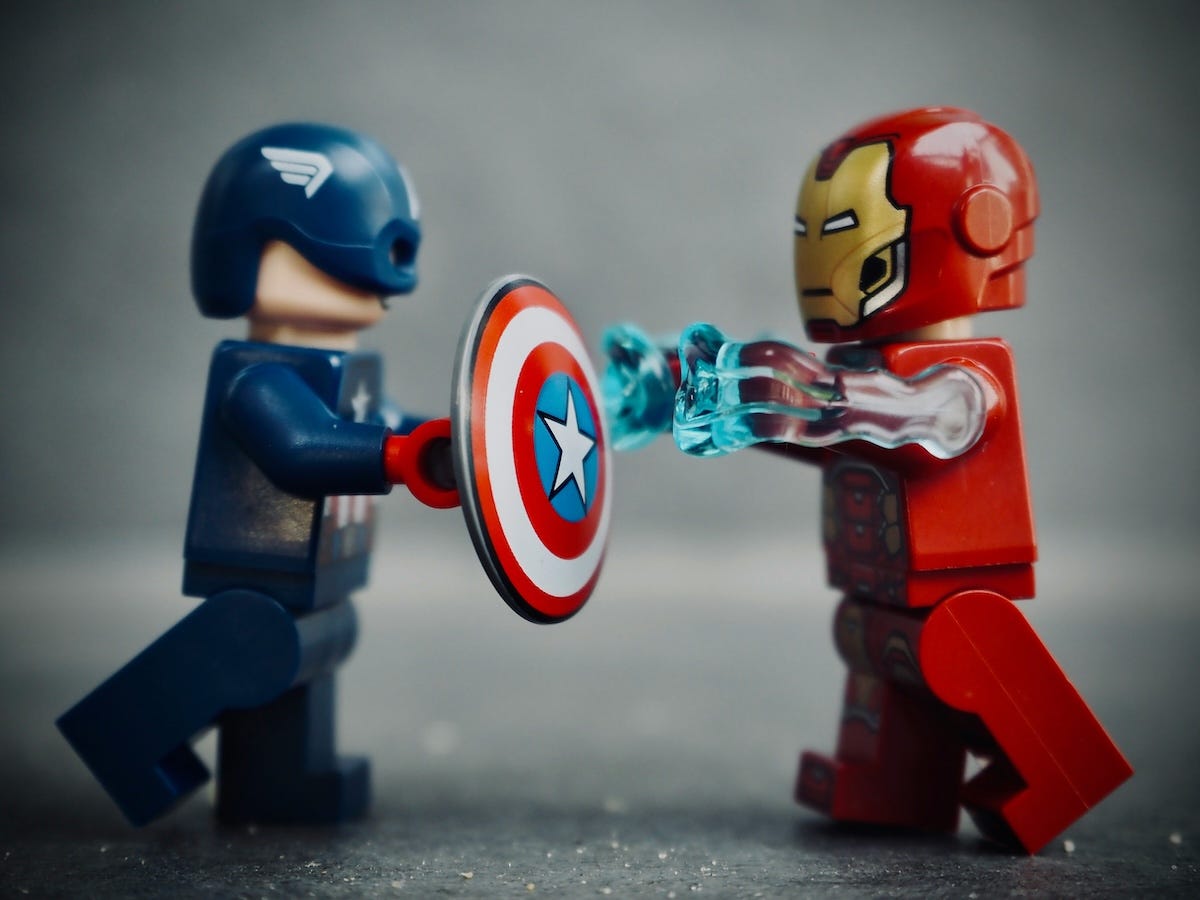
Not violently, of course. I mean confronting and working through our conflicts. We need to make fighting the good fight an accepted and normal part of our organizational cultures. Of the 64 individual aspects of culture that I measure in my research, the two with the highest statistical correlation are “managing change” and “managing conflict.” The superpower that gets us through times of crisis is our ability to confront our conflict and resolve it effectively.
Unfortunately, most organizations avoid conflict like the plague. When things get crazy like they are right now, I think people are prone to putting off the difficult conversations. They don’t want to bring up the hard subjects when so much is unsettled in the environment.
The result, however, is that things become even more unsettled. For example, let’s say you found an AI tool that you could integrate into your website that would be a flat-out game changer for your members/customers, but you know that other department doesn’t trust anything AI, and you’ll need their buy in. You don’t want to increase the already high tension in the office, so you put the conversation off—and you end up missing the opportunity, letting a competitor jump in with an AI solution, and now the tension is even higher. Avoiding conflict almost always makes things worse.
If you had been able to sit down with that other department and understand their position better, and share some of the data that led you to your conclusion, and get creative about a solution that would meet both their interests and your interests, you’d be in a much better place right now and your competitor wouldn’t be eating your lunch. Our ability to make these fights “good,” to honestly talk about our differences and find a new way forward, rather than getting mad about the other side who doesn’t “get it” (or just ignoring them) is what separates success from failure in today’s volatile environment.
I don’t things are going to become magically more stable in 2026 either, so I’m pulling together some resources to help organizations build their conflict resolution capacity. Get your people ready for the change that’s coming.
The first one I already have: a half-day training in Managing Conflict with Confidence. I’ve been delivering this training for years (most recently in September for a client in California), and it’s a great use of time for those now-rare moments when you bring everyone into the office. It covers core mindsets and approaches to conflict, negotiation and problem solving, and specific tools for better conflict conversations. If you’re interested in me delivering an in-person training, fill out my contact form to start the conversation (I also have an online version you can purchase individually on a site called LearnFormula).
There are several other resources I’m currently working on, including a new keynote (The Conflict Dividend: Why Smart Teams Aren’t Having the Hard Conversations that Matter), recording an a new version of the online training, and a document/handout that covers some of the basics of conflict resolution. Who knows, maybe there’s a book in here somewhere.
If you want to thrive in 2026—heck if you just want to make it through 2026—then learn how to fight the good fight.
--
For more information on my speaking or consulting, visit JamieNotter.com.