
Five Ways Conflict Conversations Go Sideways (And Why Training Alone Won’t Fix It)
Don’t beat yourself up about this. The system is as much to blame as you are.

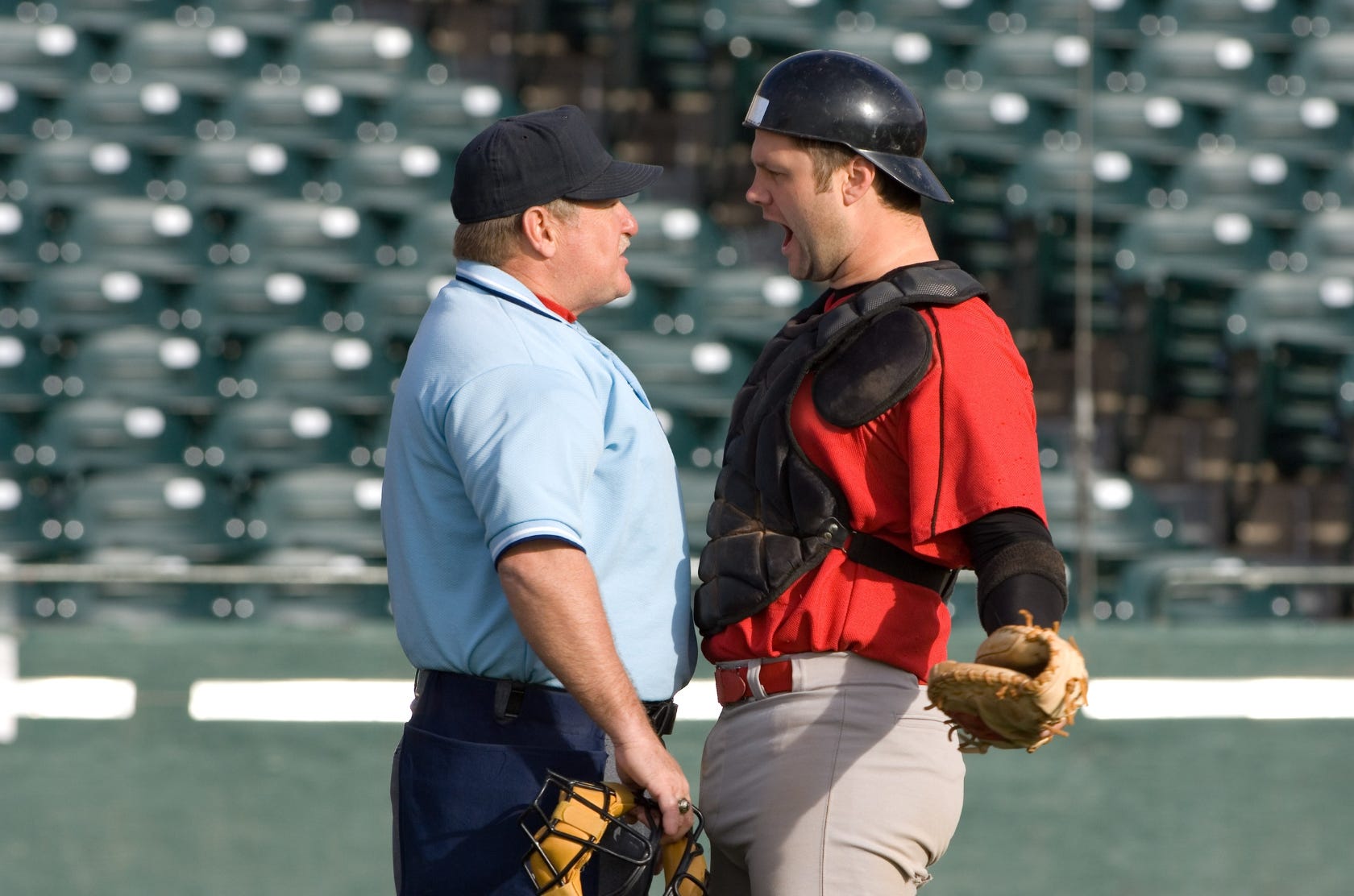
We’ve all been in conversations that we thought were going fine—until they didn’t. You thought you were just making your point, but reactions suddenly became sharp and emotions started to flare. Or the conversation ends, and you’re thinking “Is that it? Did we really finish that?” Conversations like these can be frustrating because you sense that something is off in the moment, but it’s hard to catch it in time to turn it around. Here are five classic examples of conflict conversations going sideways.
Going too fast. You don’t want the conflict to fester, so you move quickly to a resolution. Unfortunately, in narrowing it down to an answer, you both ignored some of the elephants in the room, and you have a sneaking suspicion that you’ll be returning to this conversation later (thus defeating your desire to not let it fester).
Fighting about the wrong thing. The management team spends hours debating about whether they should require employees to be in the office two days a week or three days a week, but ignore the fact that they don’t have systems for measuring productivity, which is the real conflict they should be addressing.
Making people unnecessarily angry. This one may be the most common. You want to tell your manager that the amount of time they’re spending checking in with you about this project is actually interfering with your ability to get the job done, but you start by using the word “micromanaging” and the conversation goes south, quickly.
Agreeing half-way. You have a performance conversation with a direct report and you both agree that they need to “work on it,” but you didn’t really get into the specific behaviors that are having the negative impact. Eventually you’ll need to have another conversation about it, which is a waste of time.
Speaking half-truths to power. I covered this one in my last “Inside the Senior Team” post. You’d challenge your peer if they were interfering with your work, but when your boss does it, you don’t fully confront them and hope it gets better (p.s., hope is not a strategy).
These may feel like disparate examples, but in reality they are all part of one problem: your conflict system isn’t working. Leaders often assume that bad conflict conversations happen because we’re just not good at them, so they turn to training. Yes, you do need training and skills, but that’s never enough. Regardless of the skill level, you have an organizational system that determines when and how you deal with conflict, and it’s failing you more than the skill level is.
You go too fast because managers reward people for reporting “yeah, that’s resolved now” (even if it isn’t). You fight about the wrong thing because you don’t have the right metrics to funnel the conflict conversation to the right topic. You speak half-truths to power because, quite frankly, there won’t be any accountability if you spoke the whole truth. Those are conflict system issues, not just skill issues.
Earlier this month I released my full Essay on conflict systems, and it explains in detail how they work and what you can do to improve them. Getting access to it does require making a donation to my cause here. I hope you’ll consider supporting the research and writing that I share in this newsletter.
--
For more information on my speaking or advisory services, visit JamieNotter.com.